PUBLISHED: October 2026 by Ron Butler
After many years of planning and discussion about the need to upgrade Houston Parks Board’s Coolgreen Nursery, the wait is finally over. In January 2026, construction officially began.
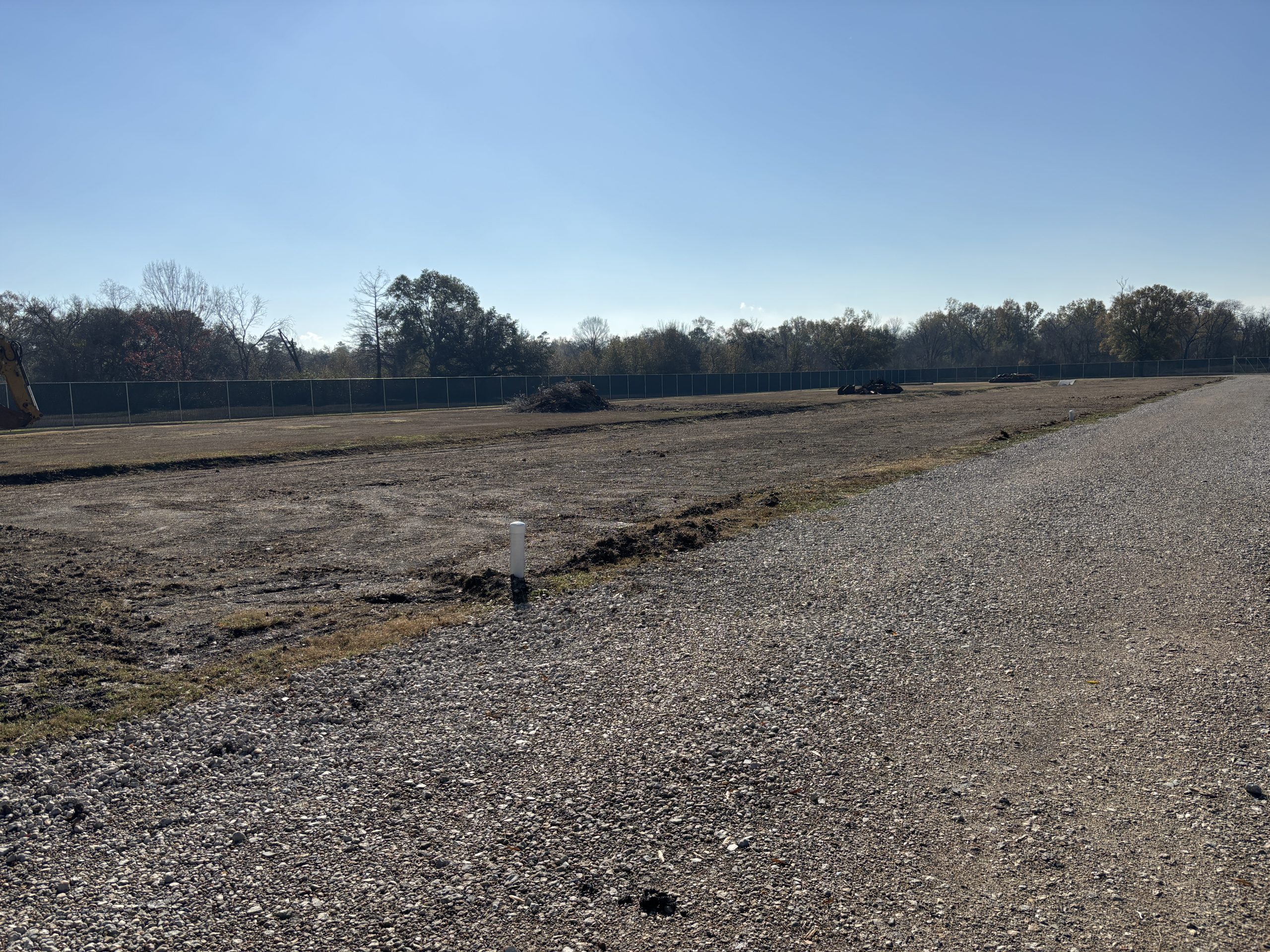
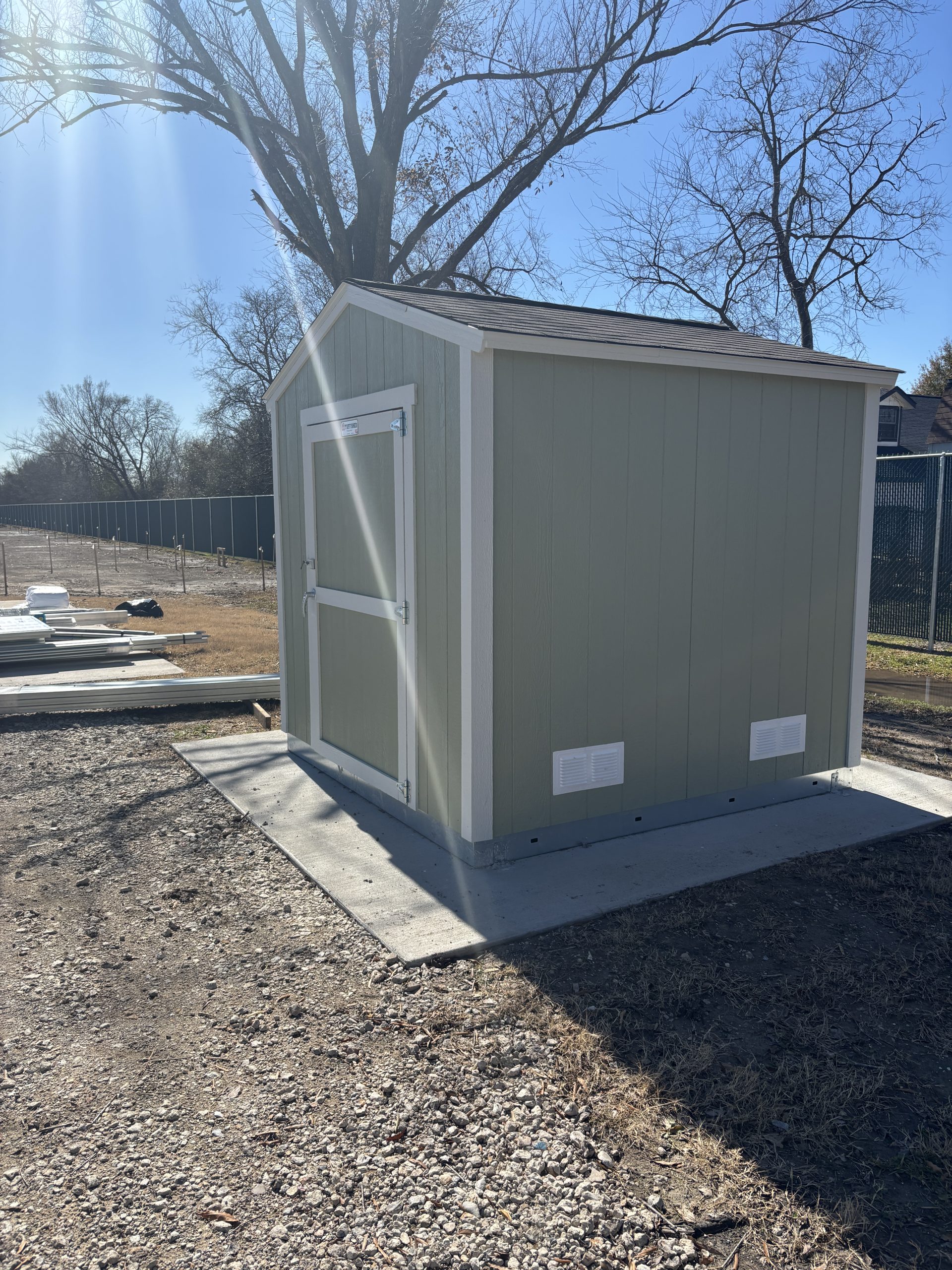
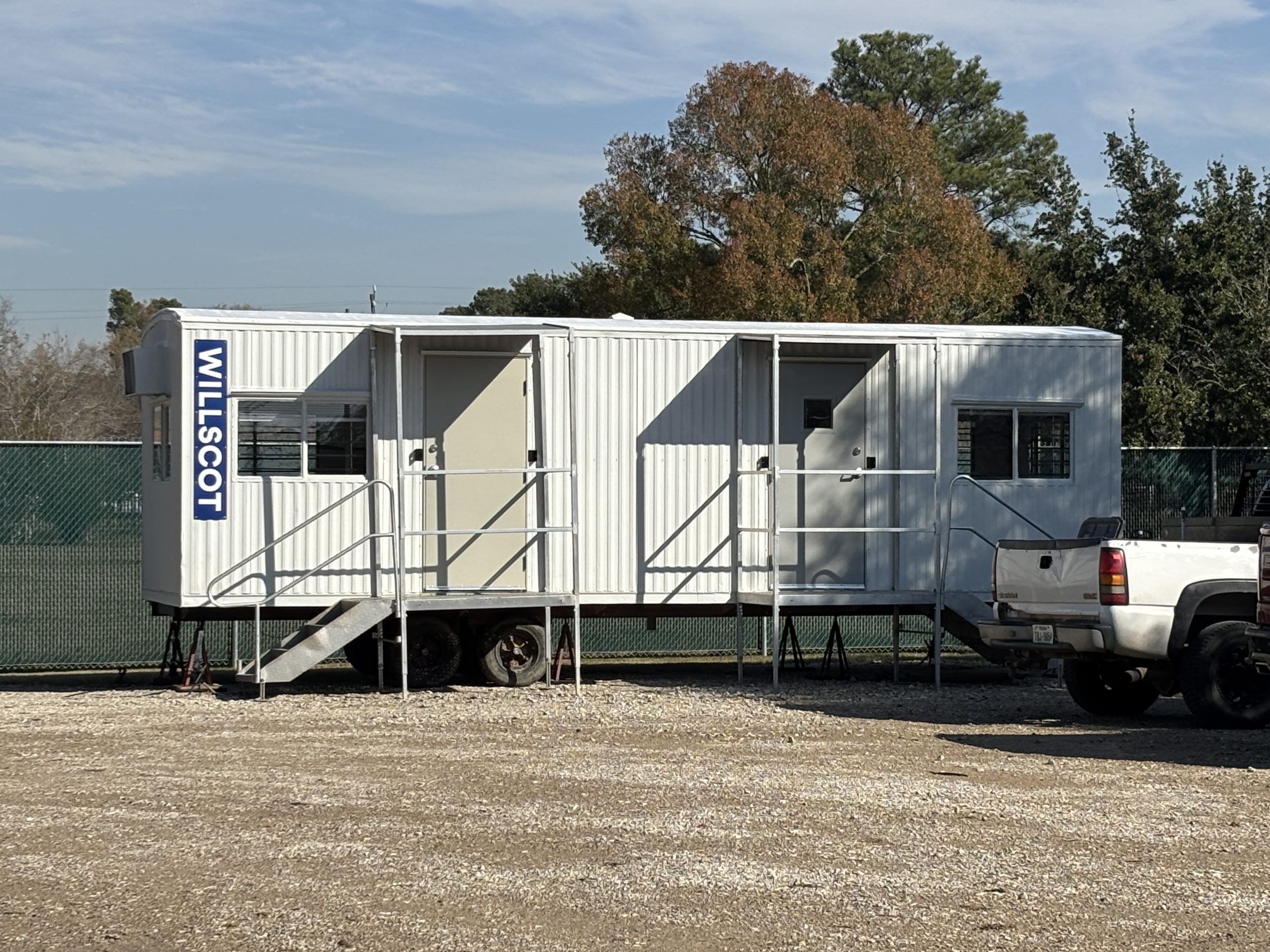
During the month, contractors started paving the entrance, parking lot, and various roads throughout the facility. Installation of a storage garage, herbicide shed, and office unit also took place.
In February, contractors worked diligently as favorable weather conditions allowed construction to progress smoothly. Early in the month, footings for the shade structure and greenhouse were poured and completed. Greenhouse materials and supplies arrived, and construction of the greenhouse began.
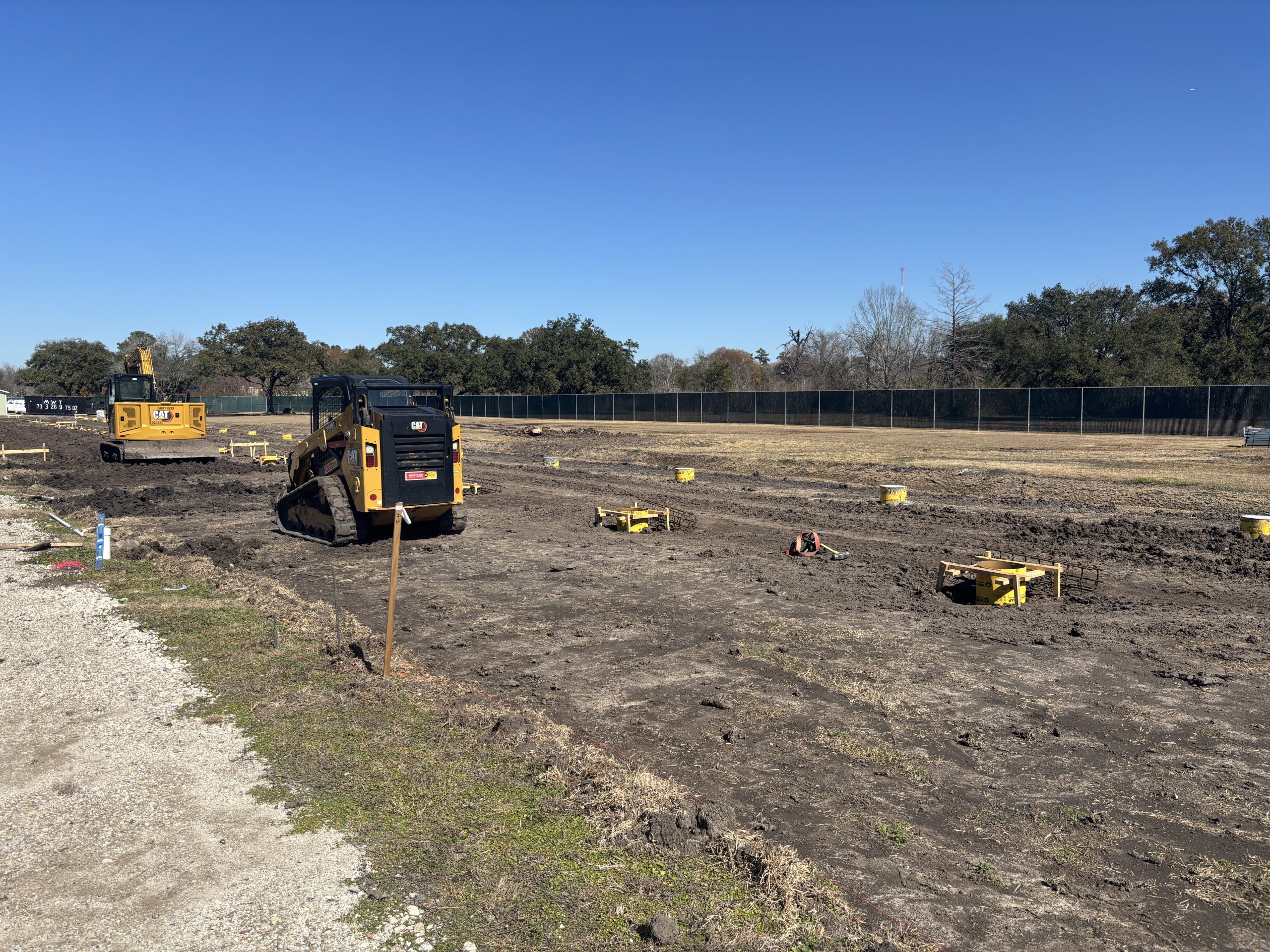
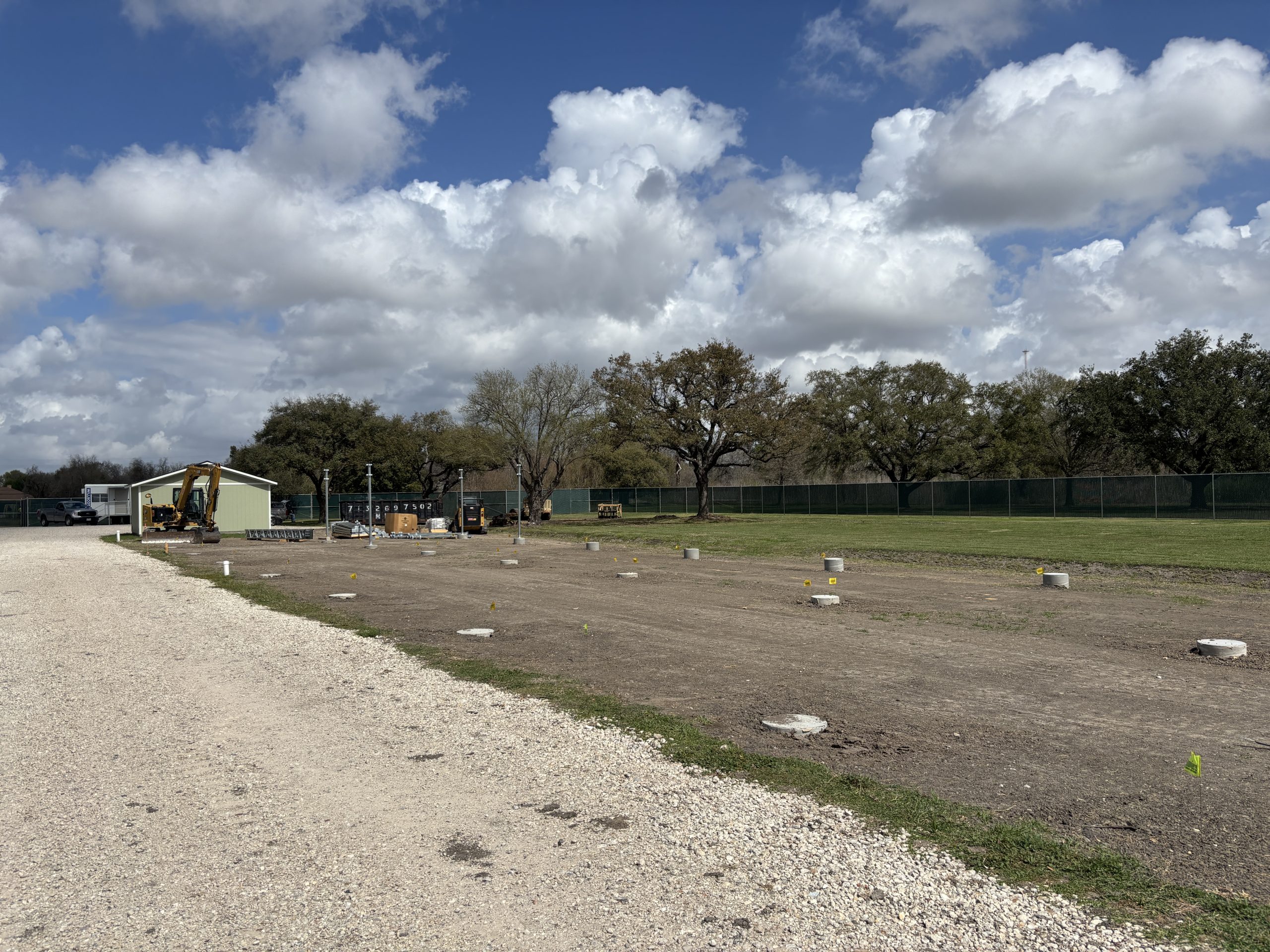
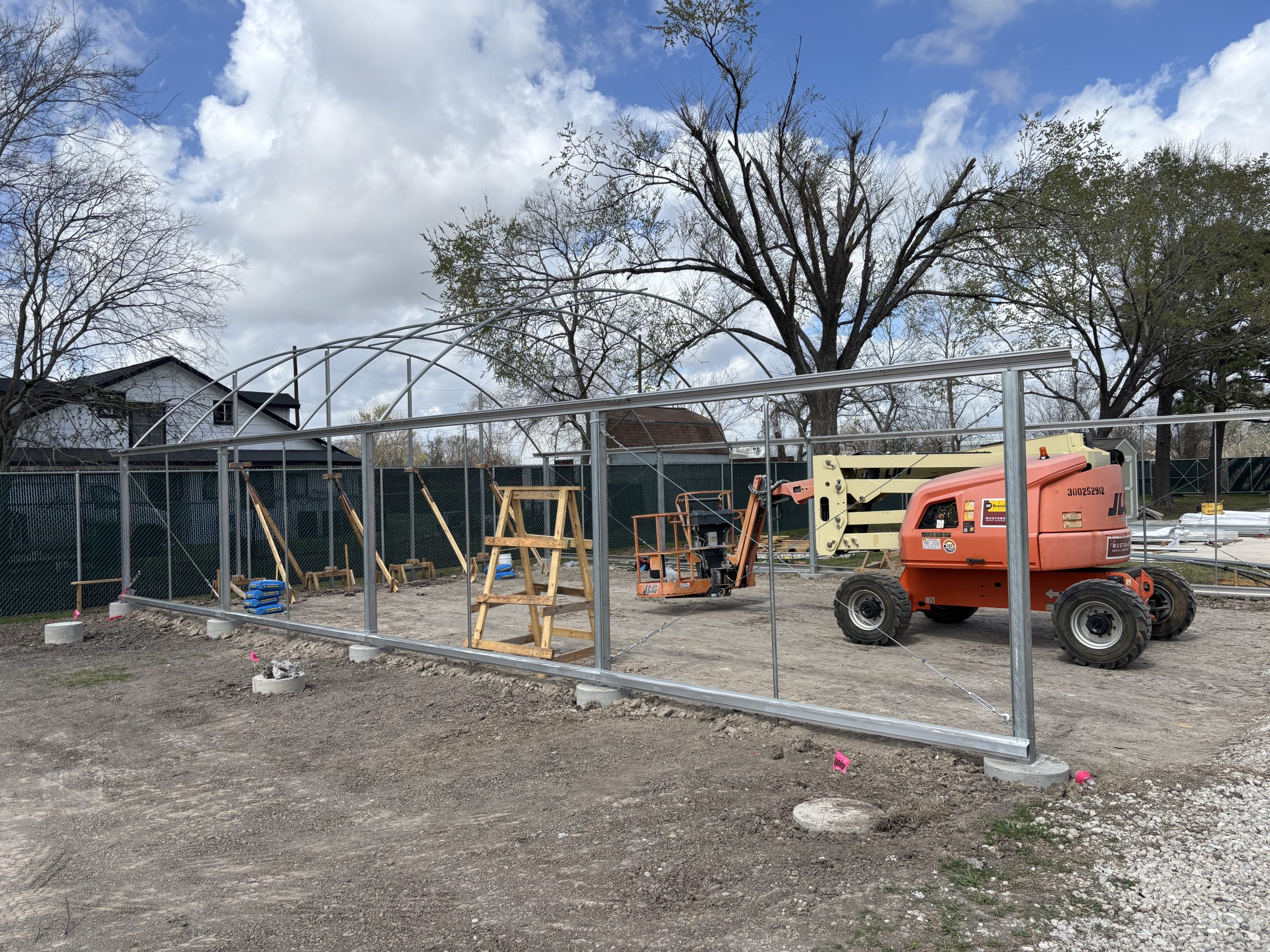
As March arrived, additional supplies were delivered. Contractors built the frames for the shade structures, and the greenhouse cover was installed. Irrigation systems were also installed throughout the nursery grounds.
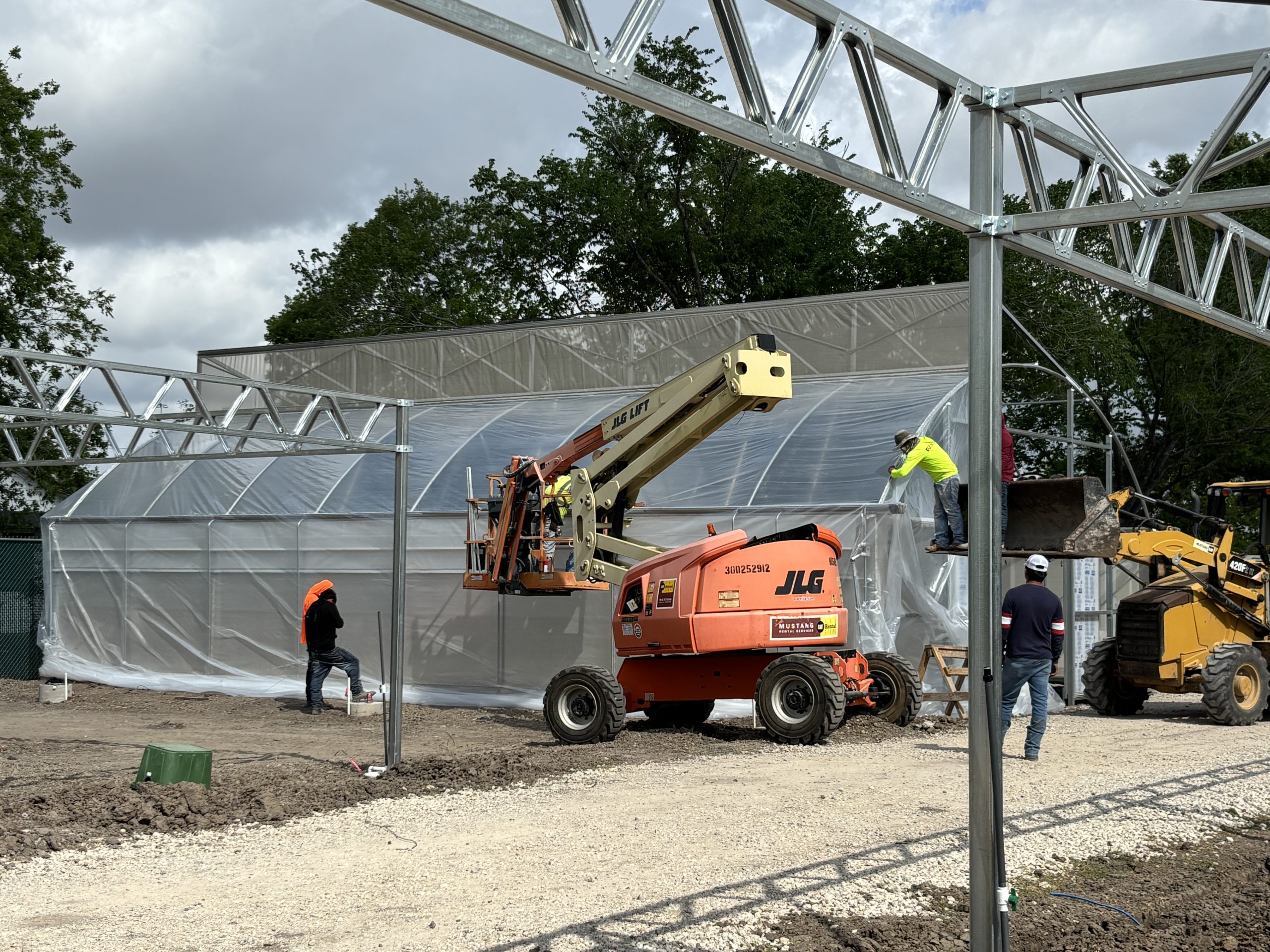
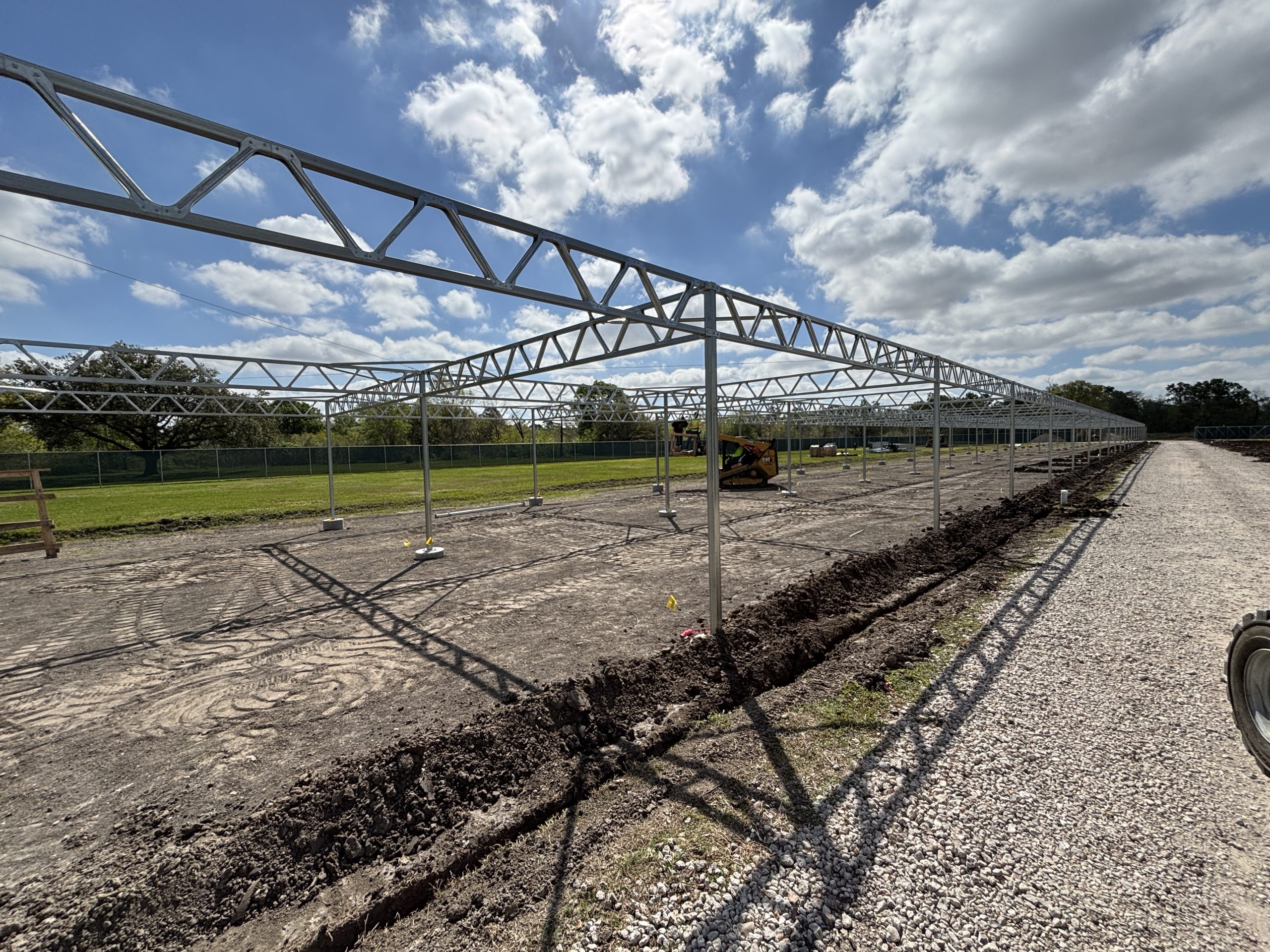
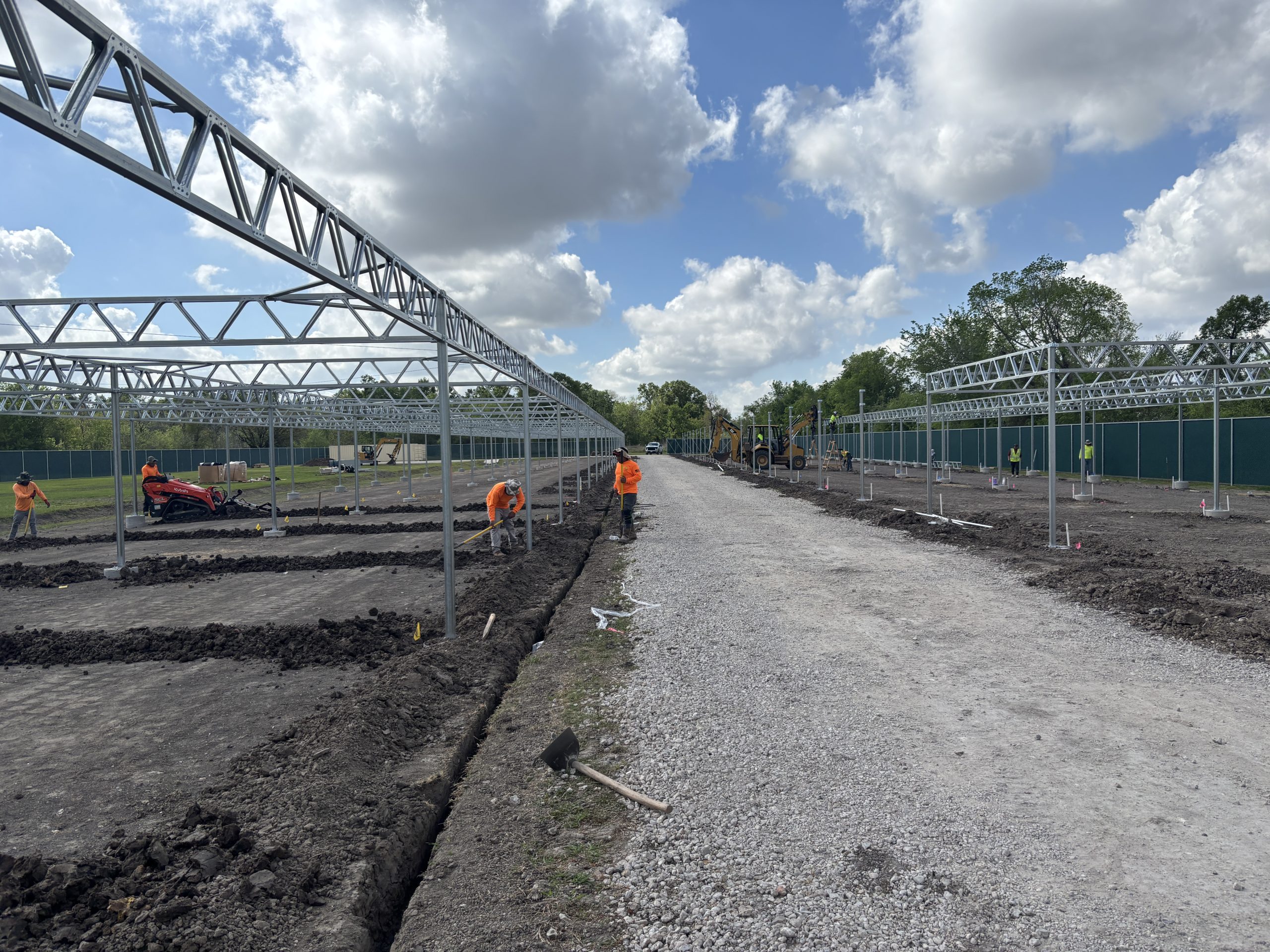
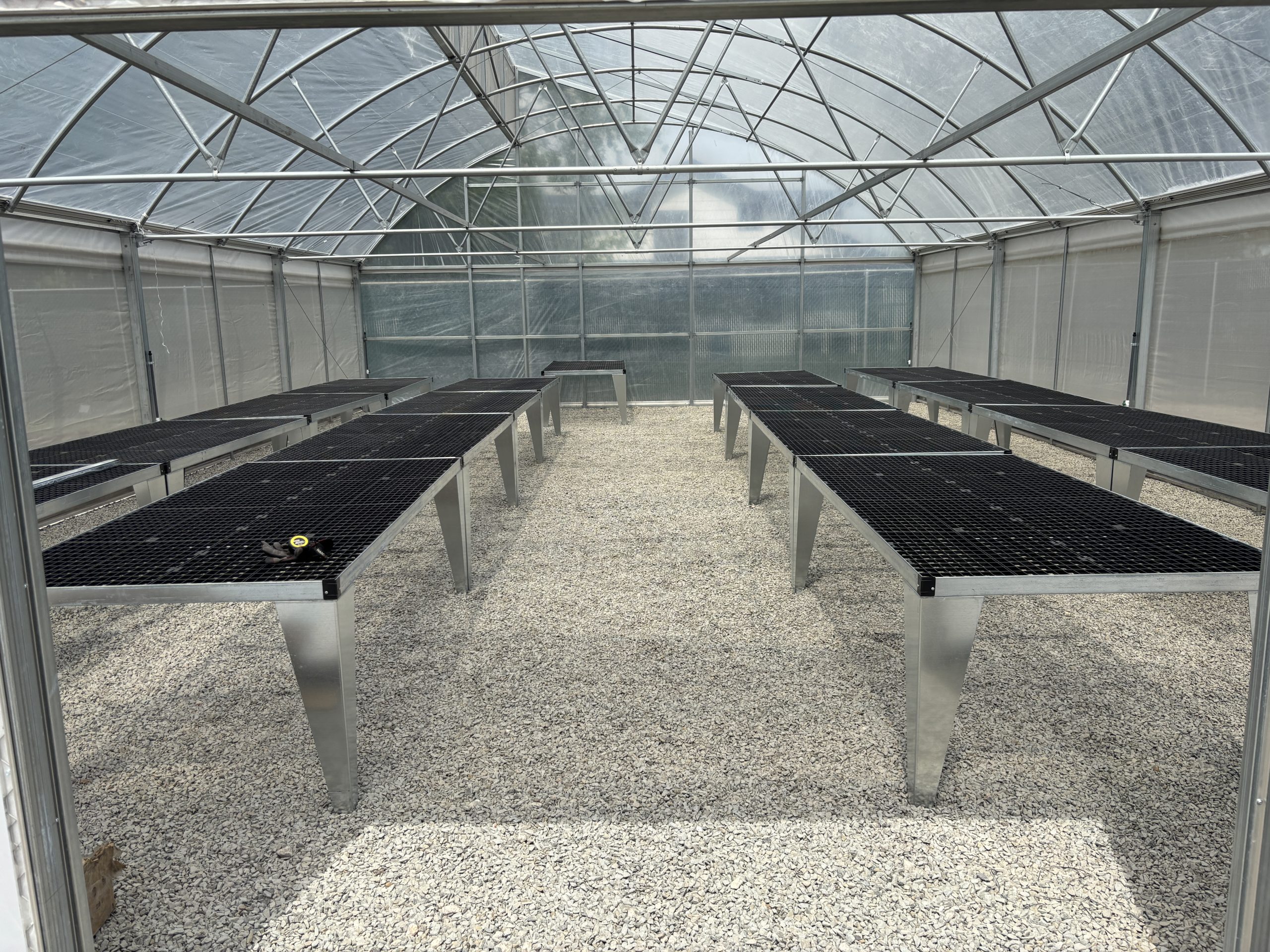
In April, the shade cloth arrived and was installed on the frames. Irrigation was completed, and electrical installation began. Electrical work was the most extensive component of the project and took the longest to complete throughout the facility. Meanwhile, by the end of the month, the greenhouse was finished. Greenhouse benches and additional plant tables were delivered and assembled.
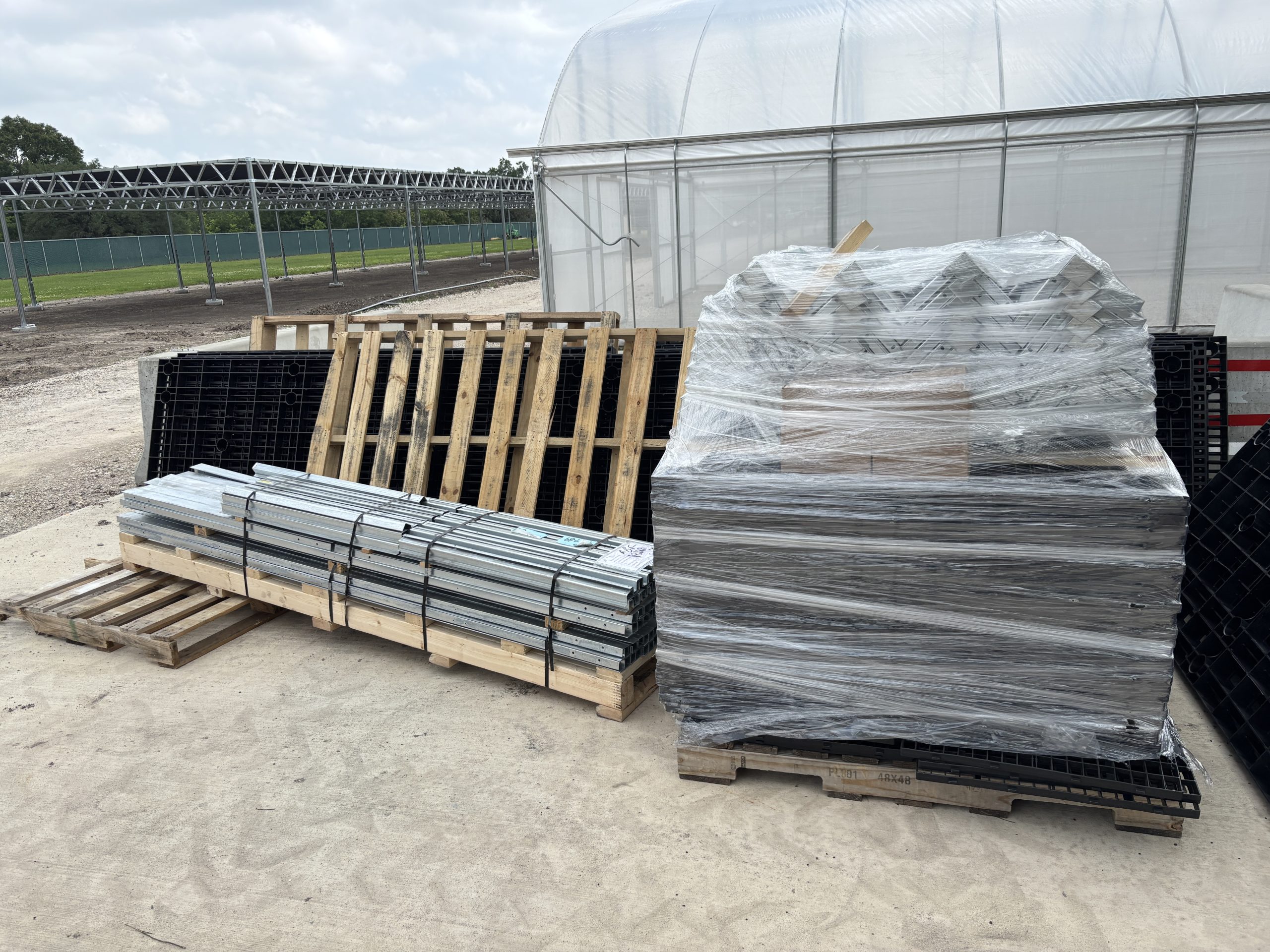
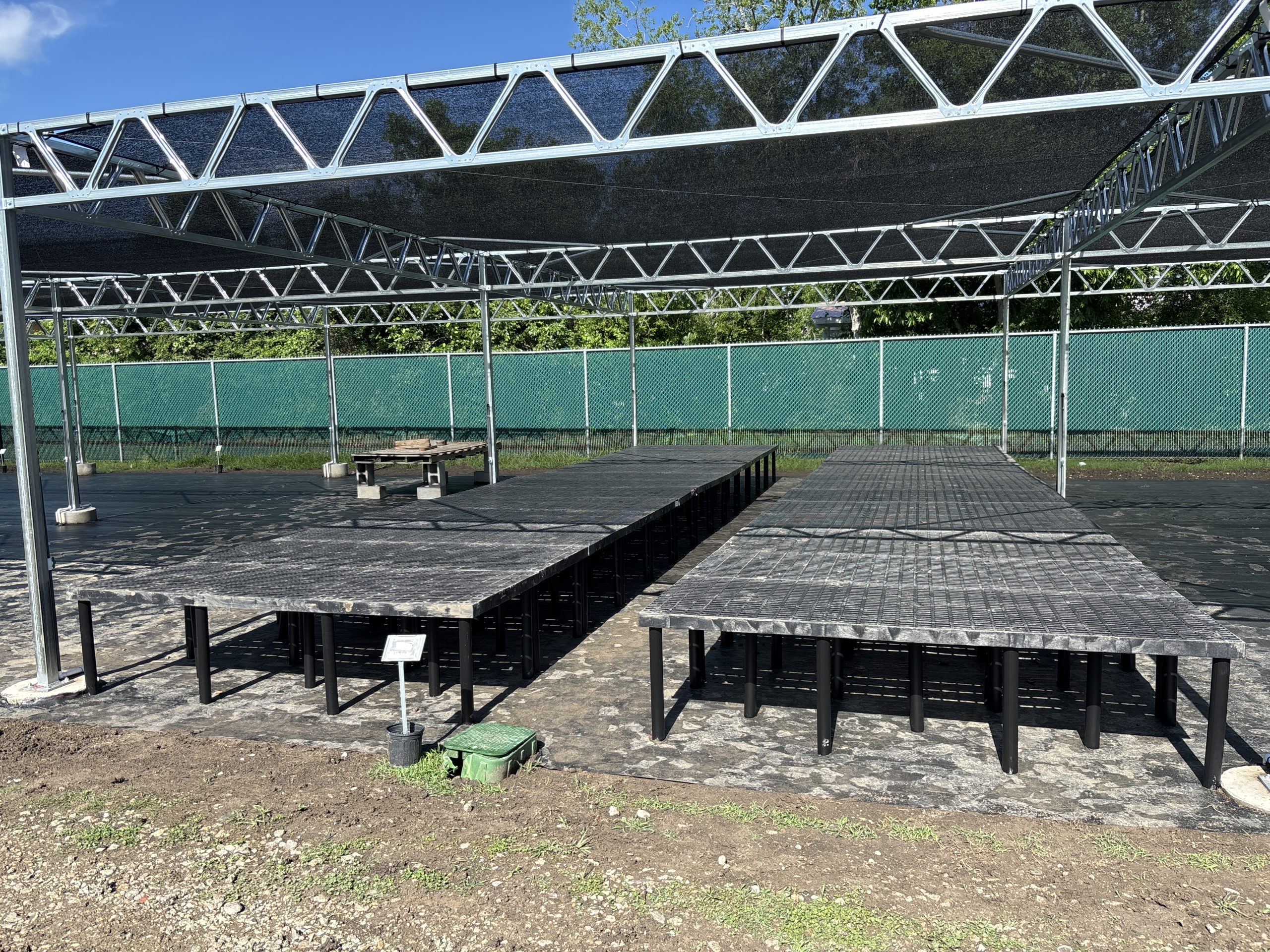
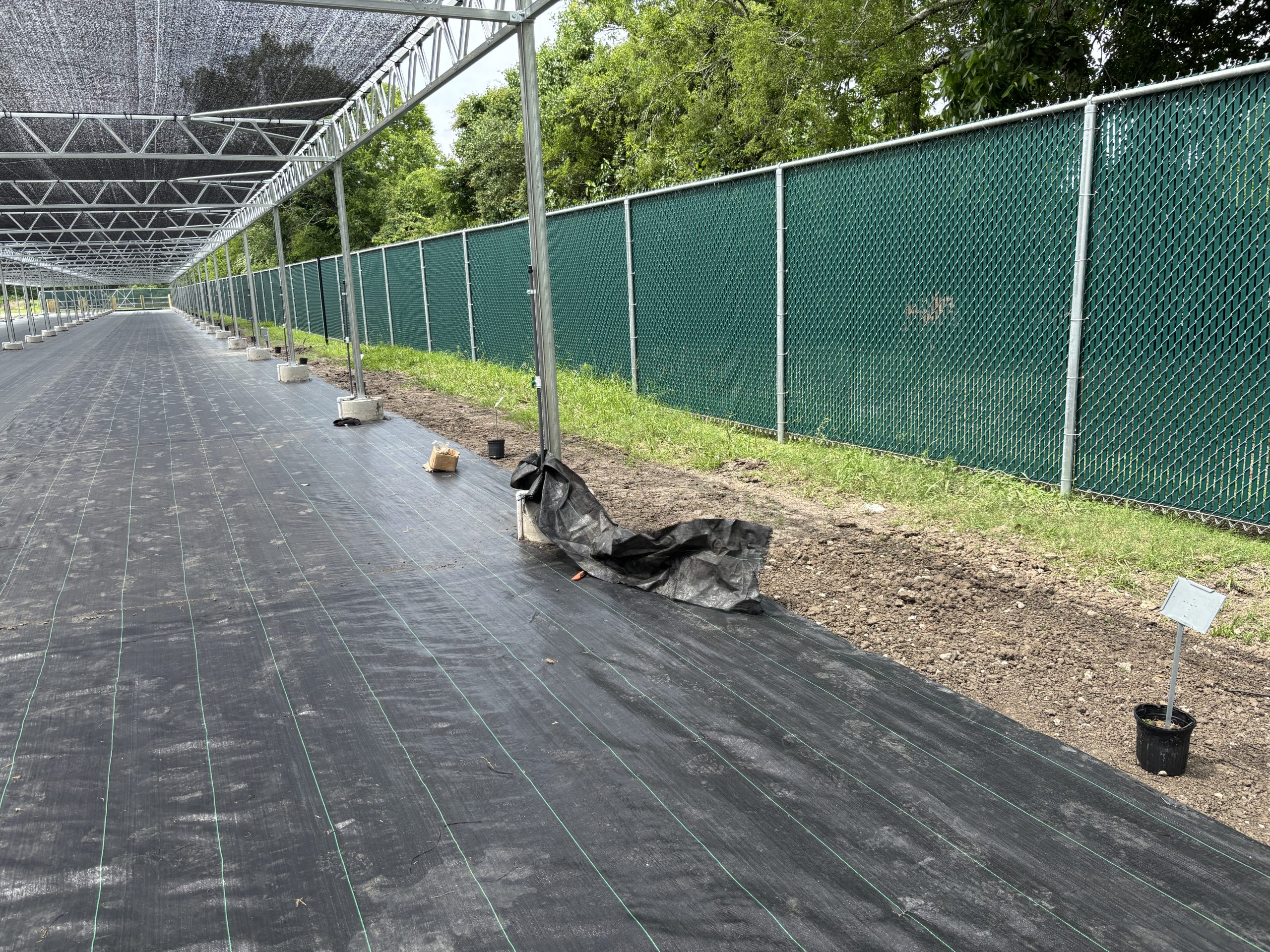
During May, materials for the wetland beds arrived, and contractors began constructing all 10 wetland beds. At the same time, matting was installed beneath the shade structures on both sides of the main road. Electrical work continued throughout the month.
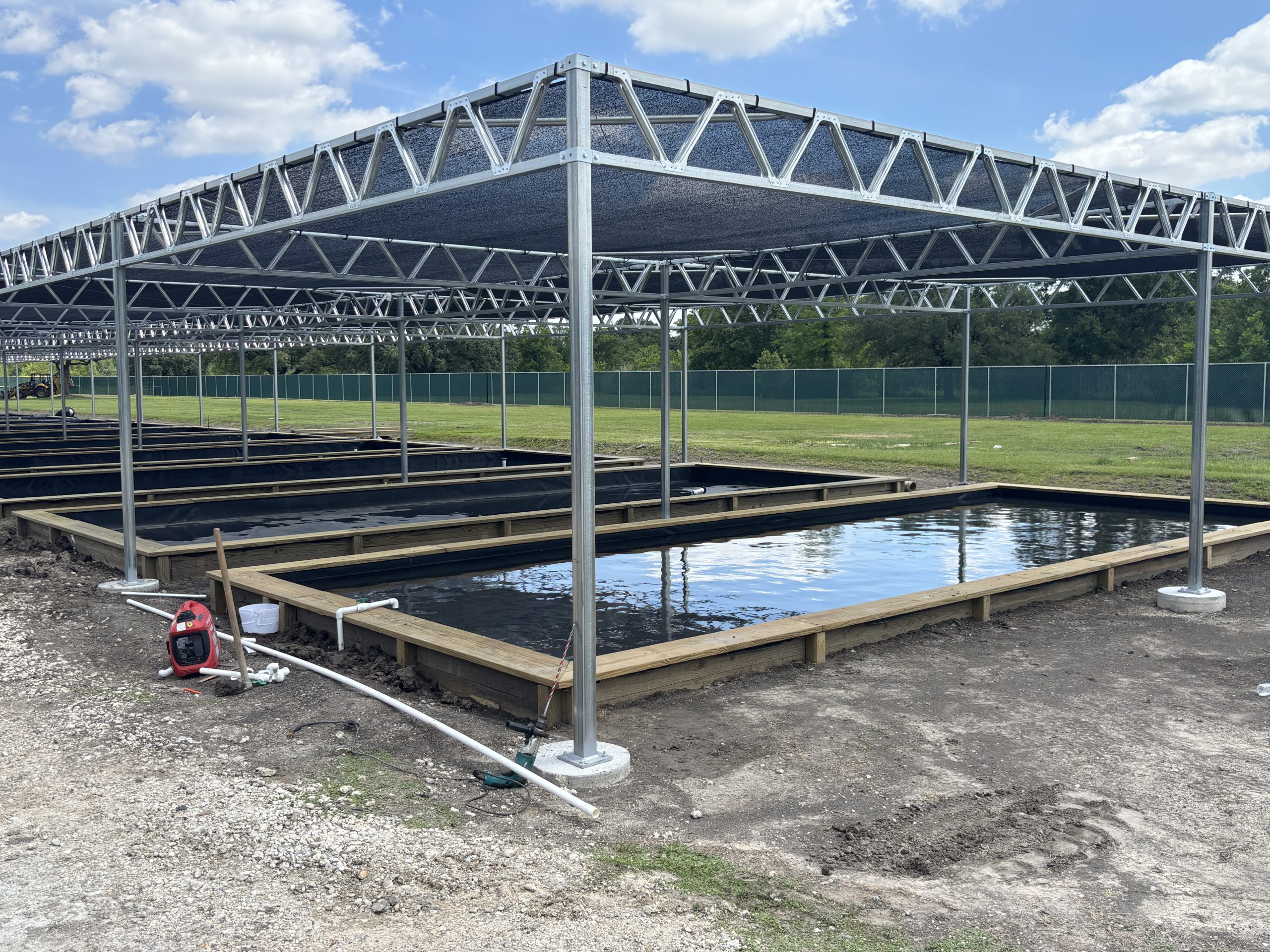
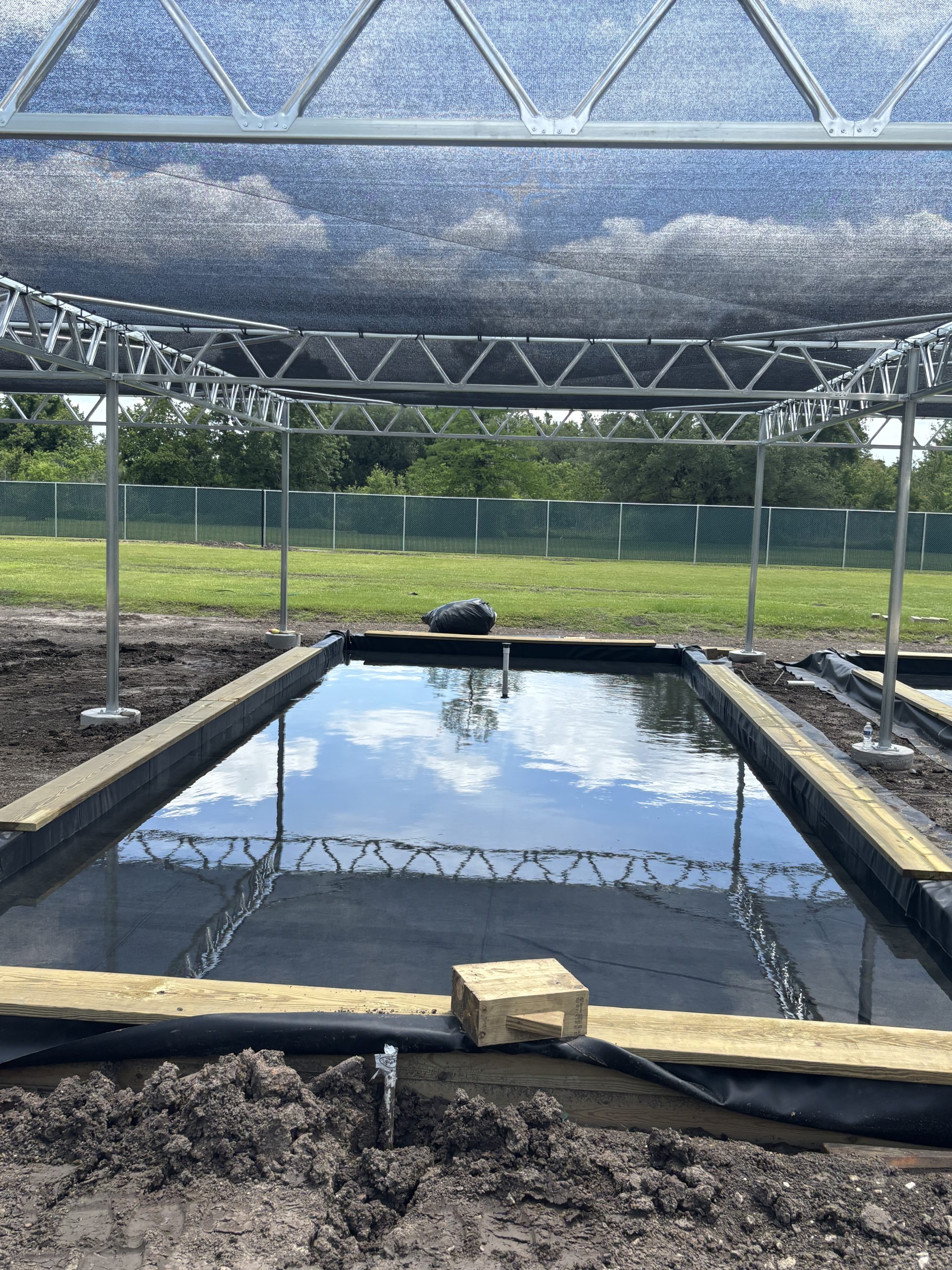
By June, the project was entering its final stages. Electrical installation was completed, and power was activated throughout the facility. With the facility operational, all 15,565 plants were relocated to the new nursery with the assistance of a contractor. Organization and sorting of the plant inventory then began.
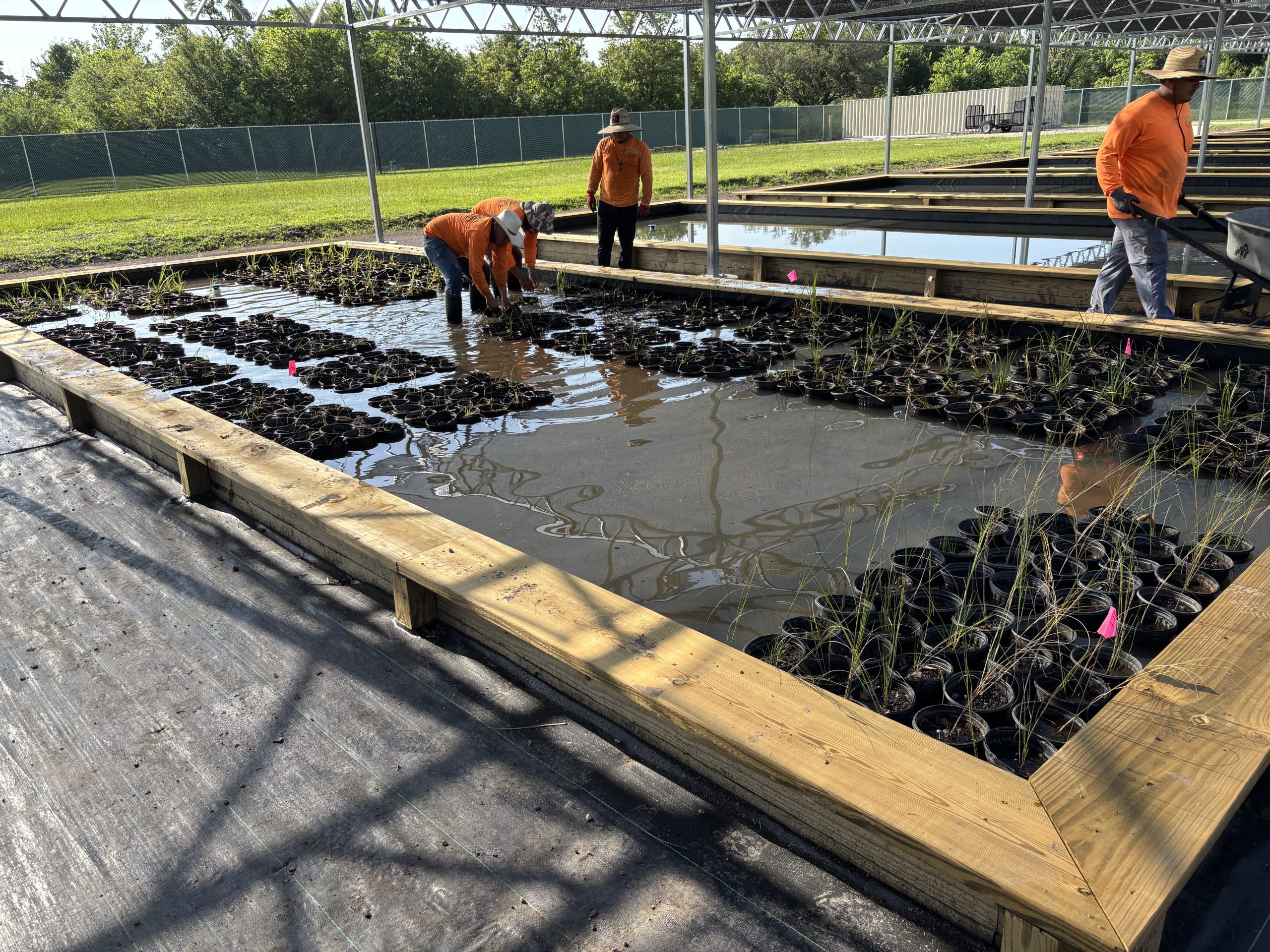
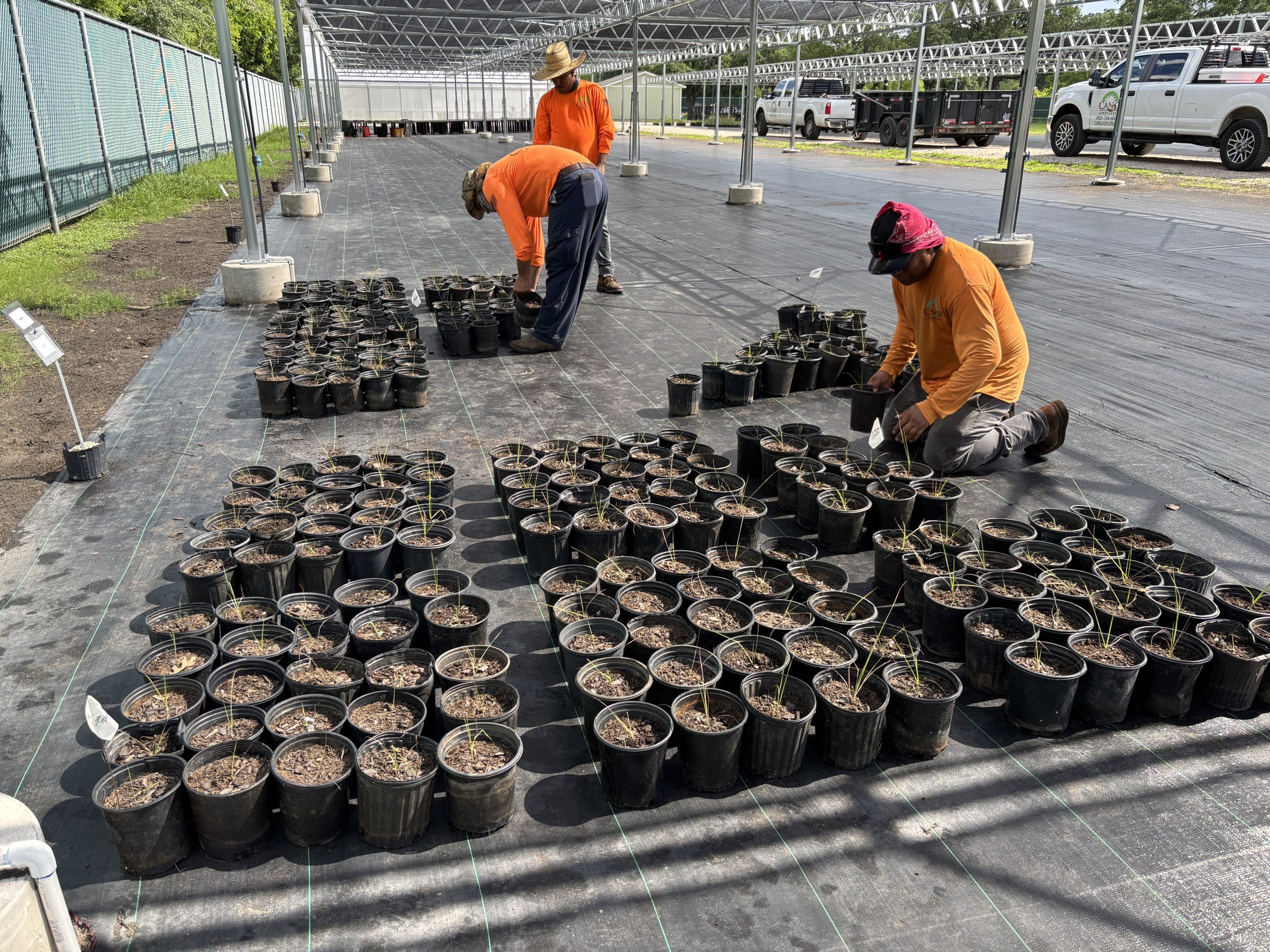
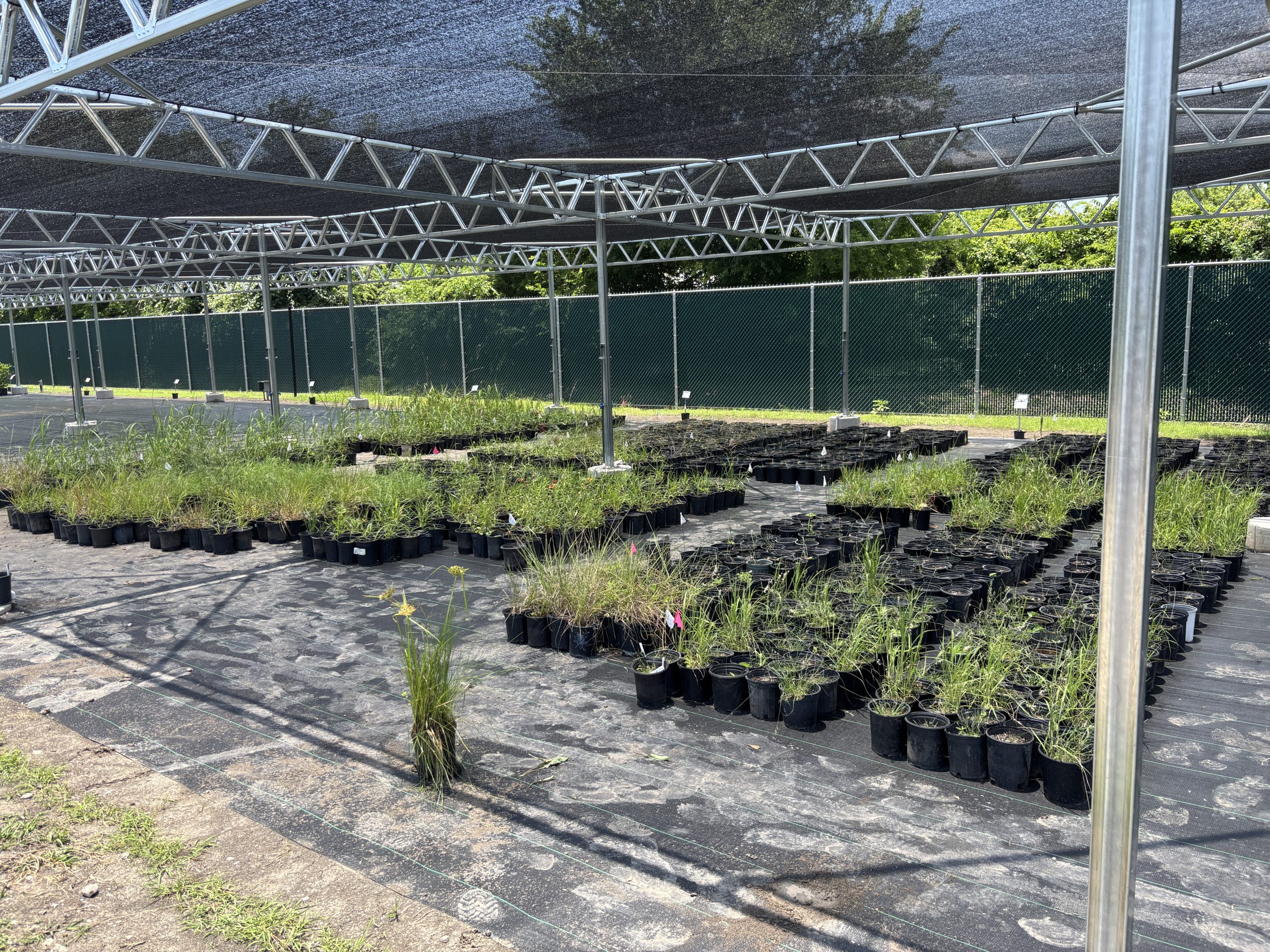
With the completion of this upgraded facility, Houston Parks Board is better positioned to support future projects and expand its impact across the region. The new nursery provides the capacity and infrastructure needed to grow more plants, increase operational efficiency, and meet the demands of future conservation and restoration efforts.