
PUBLISHED: June 2026 by Christina Lee
Photos taken by Christina Lee.
Wetlands are low-lying areas that are saturated with water for all or at least part of the year. As a result, they are home to an array of plant and animal life that are uniquely adapted to these conditions. Wetlands provide critical benefits to the Houston region and birds, other wildlife, and people, making their conservation and preservation vitally important to the health of the ecosystem.
Birds
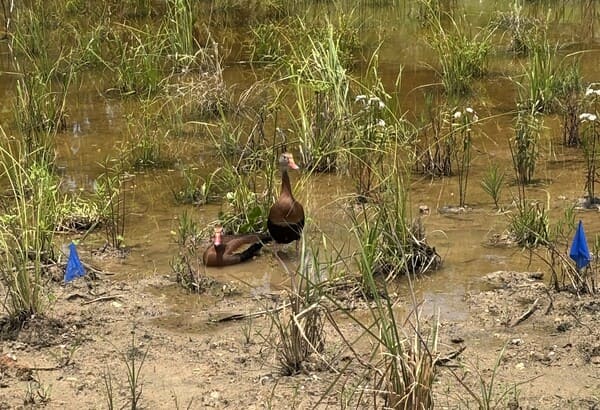
Wetlands are especially important for waterfowl such as ducks, geese, and swans, as well as shorebirds such as sandpipers, plovers, and egrets. They play a crucial role as stopover points and wintering grounds during migration. Wetlands support pairs during breeding and nesting and are critical for raising young. Birds also rely on wetlands for cover from predators or during harsh conditions and are a source of food, including seeds, aquatic vegetation, invertebrates, and small fish.
Fish
Wetlands support abundant populations of fish, ranging from freshwater bass and trout to saltwater salmon and redfish. They serve as critical spawning and feeding grounds, as well as nursery areas. Wetlands provide sheltered environments with ample food sources, contributing to the growth and reproduction of various fish species. Additionally, wetlands help regulate water flow and temperature, creating suitable conditions for fish to thrive.
Other Wildlife
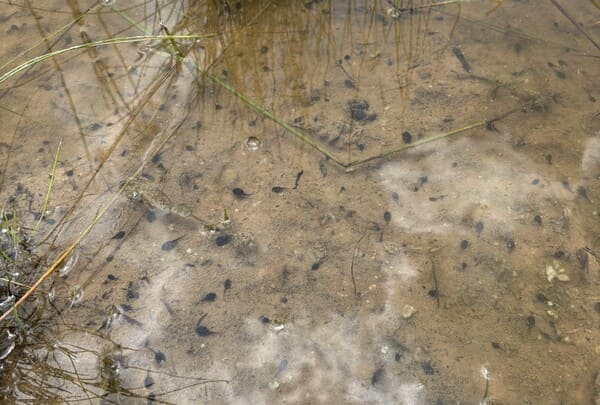
In general, wetlands support a diverse array of wildlife; insects, crustaceans, and mollusks thrive in wetlands, serving as vital food sources for various species. Animals such as frogs, turtles, and snakes are also highly dependent on wetlands.
Wetlands are one of the most productive and biodiverse ecosystems on Earth, with 40% of all plant and animal species living or breeding in wetlands. Threatened and endangered species are no exception; more than one-third of the country’s threatened and endangered species live exclusively in wetlands, and nearly half use wetlands at some point in their lives.
The HPB Conservation & Maintenance team hosts opportunities to support wetlands and conservation projects throughout the year. View the HPB Volunteer Calendar to see where you can get your hands dirty and support the health of the Houston region.